
Choosing a fiberglass pool is a smart investment for homeowners who want a durable, low-maintenance swimming pool with a streamlined installation process. But one of the most common questions during the planning phase is: What will it cost? While fiberglass pools tend to have more predictable pricing than gunite builds, several design decisions can cause the total price to rise or fall.
In 2025, understanding how size, shape, and optional features affect fiberglass pool cost helps homeowners budget more accurately and avoid surprise expenses during installation.
Let’s explore how each of these elements impacts the final price—and how thoughtful choices can help balance cost with value.
Pool Size: The Most Direct Cost Driver
Unsurprisingly, the larger the fiberglass pool, the higher the cost. That’s because pool shell pricing typically scales with square footage, and larger models require more excavation, backfill, and water volume. A small 10×20-foot fiberglass pool might start around $40,000 installed, while an extra-large model over 16×40 feet can exceed $85,000 when fully equipped.
Larger pools may also require additional pumps, upgraded filters, or more lighting zones to meet code and performance needs. Homeowners should also consider the ongoing costs: bigger pools mean higher utility usage, more chemicals, and longer cleaning cycles.
Shape Complexity: More Than Just Aesthetic Impact
Fiberglass pools are available in a range of shapes—from classic rectangles to freeform lagoons—and these design choices influence not only aesthetics, but also pricing. Rectangular and geometric models tend to be the most affordable due to streamlined production and easier installation.
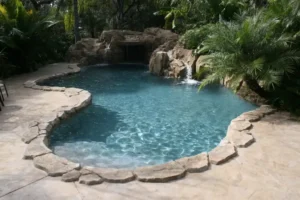
Freeform or uniquely contoured pools, while visually striking, are often more expensive due to their manufacturing complexity and increased labor needs during leveling and backfilling. Features like built-in curves, wraparound steps, and tanning ledges integrated into the shape can also increase cost, but they offer functional benefits that many homeowners find worthwhile.
Integrated Features That Add to Initial Cost—but Boost Usability
Modern fiberglass pools often come with built-in features that enhance comfort and design. These include:
- Tanning ledges
- Spillover spas
- Bench seating
- Deep-end swim-outs
- Integrated splash zones
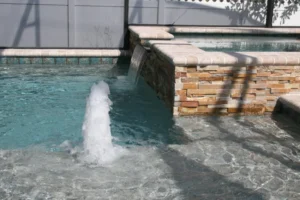
Each of these adds functionality and appeal—but they also affect mold design and shipping logistics, which in turn raises the base price of the pool shell. For example, a fiberglass pool with an integrated spa might cost $8,000–$12,000 more than a standard shell, but it eliminates the need for separate construction or additional plumbing later.
Upgrades That Influence Equipment and Electrical Costs
Beyond the shell, certain equipment choices will raise the overall fiberglass pool cost. Some of the most impactful include:
- Saltwater chlorination systems: ~$2,000–$3,000 upgrade
- Variable-speed pumps: higher initial price, but energy savings long-term
- LED multi-zone lighting systems: can add $1,500–$3,000 depending on complexity
- Automation controls for lights, heat, and filtration: $2,500–$5,000 upgrade
Although these systems come with added upfront expense, they deliver convenience and efficiency that reduce maintenance costs over time—making them a strong value proposition for many Florida homeowners.
Decking, Coping, and Hardscape Choices Matter
A fiberglass pool’s base cost often doesn’t include the surrounding deck or patio area, which is where costs can vary widely. Concrete decking is typically the most affordable, while travertine, pavers, and custom tile coping can significantly elevate the project’s overall price.
For example, basic brushed concrete decking may cost $8–$12 per square foot, while natural stone or paver surfaces could range from $20–$40 per square foot, depending on material and layout complexity. Since the decking directly influences the pool’s look and usability, it’s often where homeowners choose to splurge.
Delivery and Installation Challenges Add Regional Variation
The location of your home—and its accessibility—can also influence fiberglass pool cost. Cranes may be needed to lower the shell into place, especially in tight urban or coastal lots. Rocky soil, high water tables, or irregular terrain can require soil stabilization, dewatering, or retaining walls, all of which add to labor and equipment costs.
Permitting fees, inspections, and code requirements also vary by Florida county, so it’s important to work with a pool builder familiar with local regulations to ensure accurate budgeting.
Final Thoughts: Aligning Your Pool Vision With Your Budget
The true cost of fiberglass pool installation in 2025 depends heavily on the choices you make early in the design phase. Size and shape are the biggest factors, but integrated features, upgraded systems, and finish materials can raise or lower the final price by tens of thousands.
The good news is that fiberglass pools offer strong long-term value: they’re energy efficient, easy to maintain, and quick to install compared to other pool types. By aligning your design preferences with smart, cost-conscious choices, you can enjoy a stylish and functional pool that enhances your home for years—without stretching your budget beyond what’s realistic.